
Wait, don't go!
Before you leave, we have a special offer just for you!
Get 5% off your next purchase.

Before you leave, we have a special offer just for you!
Get 5% off your next purchase.
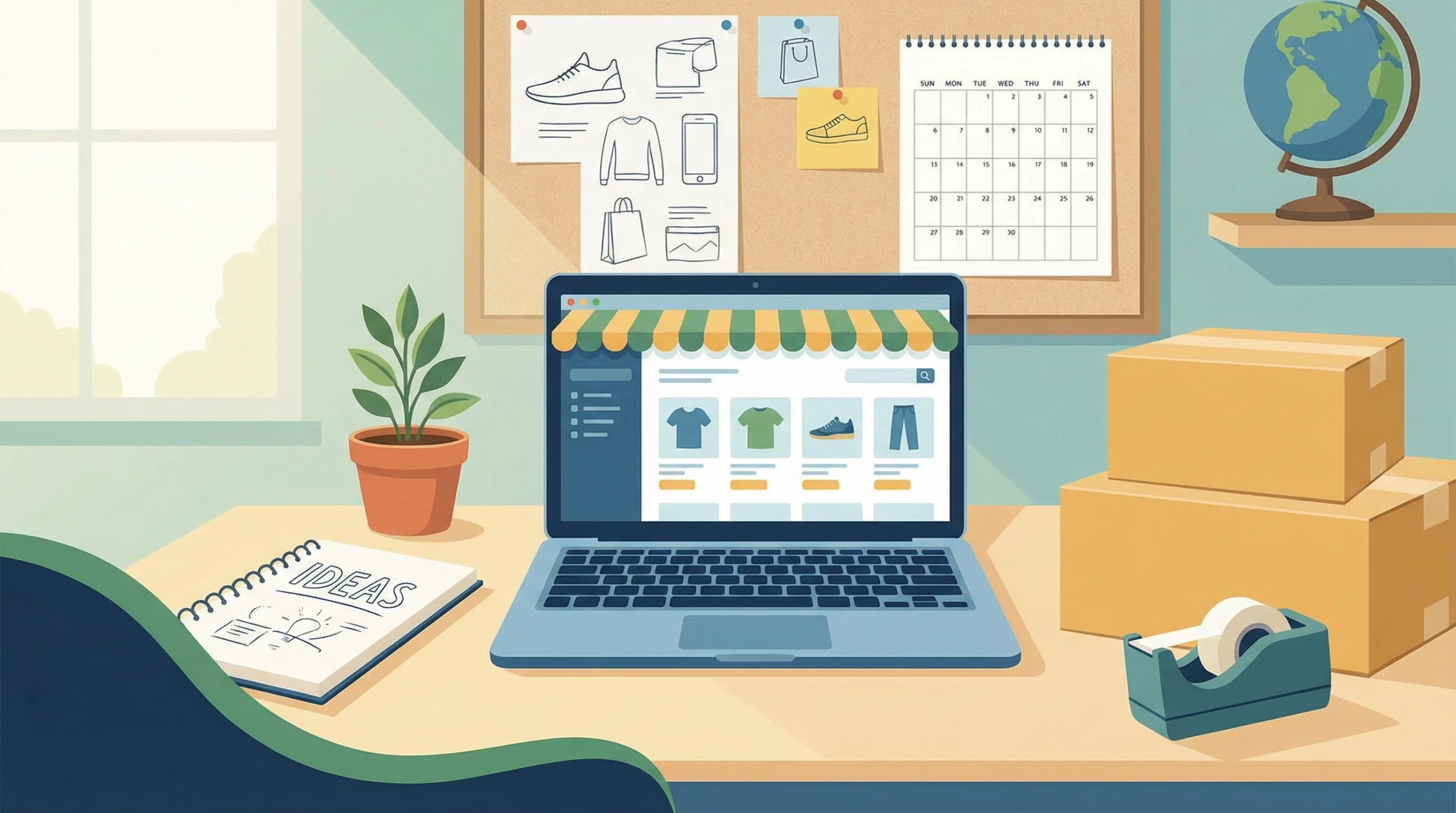

Starting an online business is a big step for any entrepreneur. This guide will help you turn an idea into a real online store.
To succeed in today’s economy, you need a solid plan and the right tools. Follow these steps to build your business with confidence.
Whether you’re in India or looking to go global, knowing how online retail works is key. This guide makes complex tasks easy, keeping you focused on growing your business.

Starting an e-commerce business in India today is full of opportunities. Millions of people are switching from traditional shopping to online. This change is making how brands talk to customers across the country very different.
The rise in online business growth comes from cheap data and fast internet. People in smaller cities are now part of the digital world. This means there’s a big demand for different products. Businesses that work well on mobiles are reaching these customers.
There’s also a big trend of direct-to-consumer (D2C) brands. They focus on quality and being open. Customers want unique, local, or special items that regular stores don’t have. This need for variety is great for new businesses to start.
To succeed online, you need to know who you’re helping. Look beyond general groups and find specific problems your product solves. By focusing on a few, you can build a loyal group of customers who see your unique value proposition.
To find your niche, look for gaps in the market. Places where current solutions are too pricey or not good enough. A good online business growth plan starts small with a focused group. Then, you can grow to more people. Remember, solving a specific problem for a specific group is the best way to get noticed in India.
Effective market research for startups is key to growth in India’s e-commerce. Before buying inventory, know your local audience’s needs. This helps find market gaps your brand can fill.

To stay ahead, watch competitor prices and marketing. Digital tools help track these changes, like during sales. Consistency in tracking keeps you competitive without losing profit.
Here are some tools to help:
Don’t assume a product will sell just because you like it. You must check if people want it in India. This avoids stocking unsold items.
Here’s how to check your idea:
Getting this data early reduces financial risk. Market research for startups is ongoing. It’s about learning and adapting to India’s changing market.
Choosing a business model is key to your success in India. It affects your costs, growth, and profits. Picking the right model early sets your brand’s growth path.
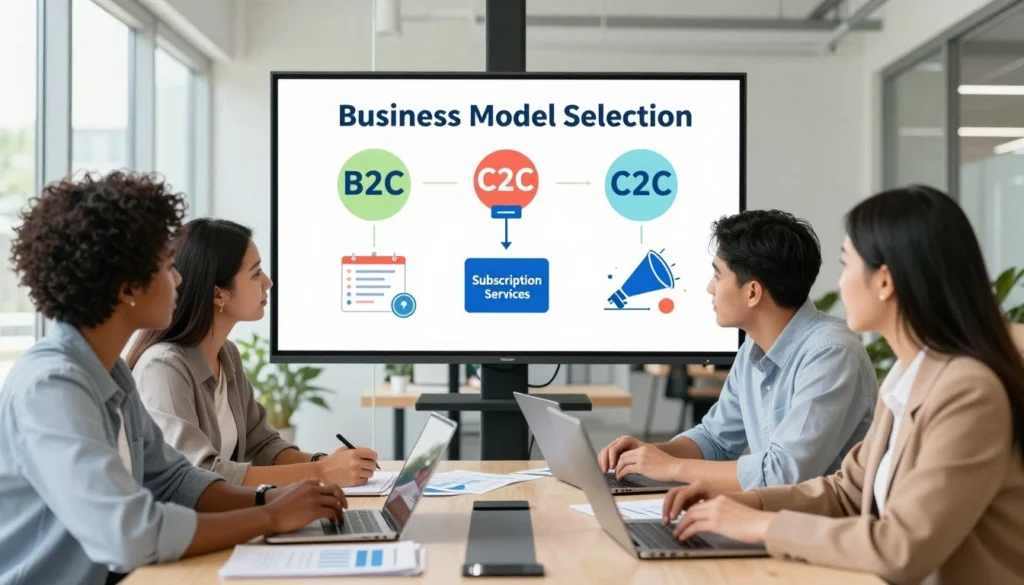
When deciding between dropshipping vs inventory, consider risk and control. Dropshipping lets you sell without holding stock, with a supplier handling delivery.
This option is great for newbies because it needs little money upfront. Yet, you have less say in shipping and product quality, affecting customer happiness.
An inventory model means buying and storing goods yourself. It costs more at first but lets you control everything. This is key for a top brand in tough markets.
“The secret of getting ahead is getting started, but the strategy of your model determines how far you will go.”
After picking your logistics, think about how to brand your products. White labeling means selling generic products under your name. It’s quick and cheap, letting you start fast.
Private labeling goes further by letting you customize products. This creates a unique brand identity that’s hard for others to copy.
| Model | Investment | Control | Risk |
|---|---|---|---|
| Dropshipping | Low | Low | Low |
| Inventory | High | High | Moderate |
| Private Label | High | High | Moderate |
Your choice depends on your budget and goals. Whether you choose dropshipping for low risk or private labeling for brand power, it shapes your daily work.
Starting a strong legal base is key to a successful e-commerce business in India. It helps protect your business from future problems. Knowing the e-commerce legal requirements early lets you grow your brand with confidence.

Choosing the right business type is very important. It affects your liability and taxes. A Sole Proprietorship is easy for newbies, needing little paperwork and low costs. But, it doesn’t separate your personal assets from your business.
A Private Limited Company is more professional. It creates a separate legal entity. It’s best for those seeking funding or growing fast. Though it needs more rules, it protects your personal assets.
After setting up your business, you must handle taxes. GST registration for e-commerce is a must for most online sellers in India. It’s needed for selling across states and getting tax credits on expenses.
You might also need special trade licenses, depending on your products. For example, food or electronics need safety certifications. Keeping accurate records of these documents is vital. It keeps your business running smoothly and avoids legal trouble.
Your choice of e-commerce platform is key to your digital sales strategy. A strong online store setup helps handle traffic and offers a smooth checkout. When choosing an e-commerce platform, find a balance between ease and growth.

Each platform has its own benefits. Shopify is great for beginners because it handles hosting and security. It’s perfect for those who want to start fast without server worries.
WooCommerce is a WordPress plugin that offers flexibility. It’s best for those who want control over their site’s design and code. Wix is easy to use and focuses on design, making it ideal for small businesses.
| Platform | Best For | Ease of Use |
|---|---|---|
| Shopify | Scalability | High |
| WooCommerce | Customization | Medium |
| Wix | Design | Very High |
Consider selling on big marketplaces like Amazon India and Flipkart. They give you access to lots of customers right away. This can save you money on marketing.
But, using only marketplaces can limit your brand and data control. A good strategy is to use a platform for your main site and marketplaces for volume. This way, you can reach more people in India and avoid platform changes.
Your online storefront is the digital face of your brand. It’s the main way you sell your products. A professional online store setup builds trust and loyalty with your customers. It makes your store look good and easy to use, inviting people to check out what you offer.
Create your account on Hostinger today for WooCommerce Platform and take the first step toward building your online presence. It’s fast, easy, and beginner-friendly, with powerful tools to get your website live in minutes. Simply click the link below to sign up and start your journey online.
You’re invited to Hostinger!Good e-commerce conversion optimization helps visitors buy easily. Make sure your best products and deals are easy to see right away. Use strong calls-to-action (CTAs) like “Buy Now” to guide users.
Building trust is key to getting people to buy. Use high-quality images, detailed descriptions, and customer reviews to show your products are good. Transparent pricing and secure checkout badges help make buying decisions easier.

In India, most people use smartphones to access the internet. So, your website must be fully responsive for all screen sizes. If it’s hard to use on phones, people might leave your site for a competitor.
Make sure your site is easy to use on phones. Use big buttons and simple menus. Also, make sure your site loads quickly, as mobile users often have slow connections. A fast, mobile-optimized store keeps your brand looking good, no matter how people shop.
Smooth financial transactions are key for any online store’s success in India. When customers trust that their money is safe, they’re more likely to buy. Payment gateway integration connects your store to the customer’s bank account.
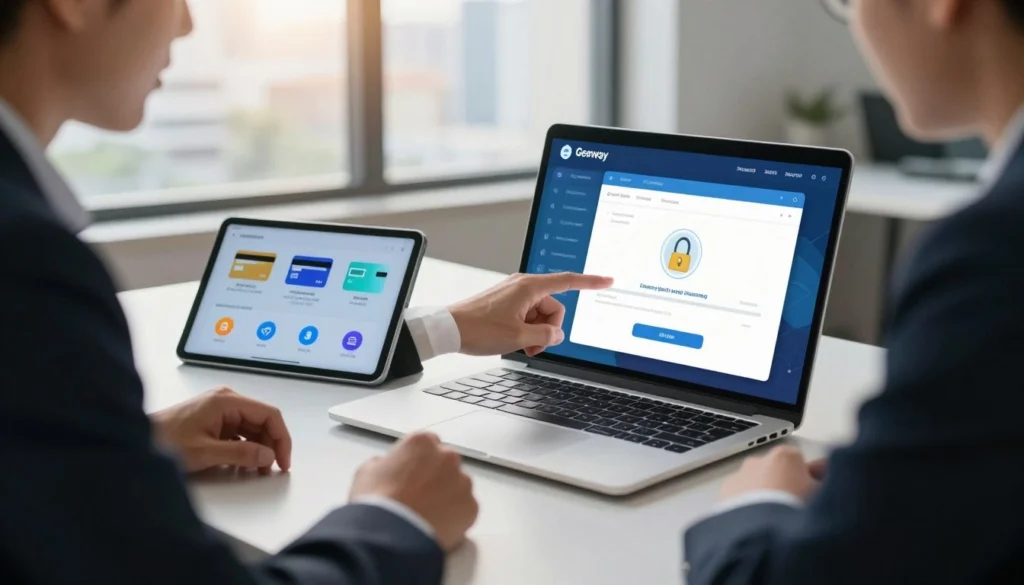
In India, Razorpay and Cashfree offer solutions made for local needs. They support many payment methods, like UPI, credit cards, and more. This makes shopping easy for everyone.
Getting started with these gateways is easy. You just need to verify your business and bank details. After that, you can track transactions in real-time, helping you manage your money better.
Keeping customer info safe is a must for online stores. E-commerce security compliance stops data breaches and builds trust. Make sure your site uses SSL encryption to keep data safe.
Following global standards like PCI-DSS is a must for card payments. Keep your software up to date and do security checks often. This shows customers their info is protected.
Shipping across India needs a smart plan for supply chain management. Good delivery systems are key to growing your business and keeping customers happy. When you get these right, your products arrive on time and in great shape.
For top customer satisfaction, a solid E-commerce logistics India strategy is a must. Streamlining your delivery process cuts down on delays and bad reviews. This lets you grow your business as orders increase.
Starting a business can be tough, managing many shipping contracts is even harder. Courier aggregators make it easier by connecting you to many delivery services through one place. This makes shipping across India simpler.
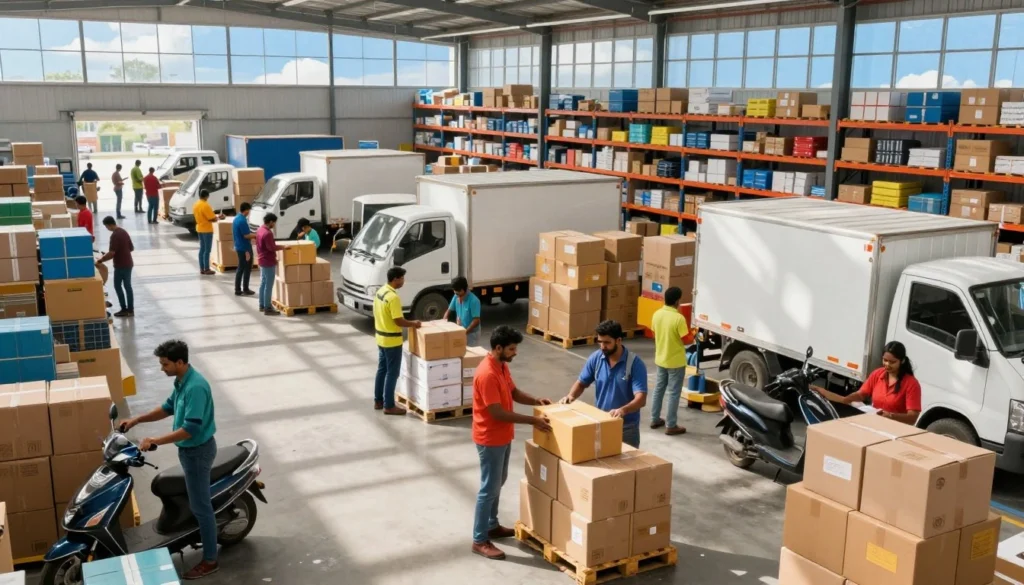
These platforms offer great rates and keep your customers updated on their orders. Here are some benefits of using an aggregator:
Good supply chain management starts with keeping track of your stock. Avoiding stockouts is key to not losing sales and keeping customers happy. But, don’t overstock to keep your cash flow healthy.
Use a systematic approach to your warehouse to stay organized. Inventory management software helps you track stock levels and set when to order more. Here are some tips to keep your business running well:
In the competitive Indian e-commerce market, your brand needs a clear roadmap to reach customers. A strong digital marketing for e-commerce strategy drives traffic and builds brand awareness. By matching your promotional efforts with consumer behavior, your store can stand out.

Social media platforms like Instagram and Facebook are key for connecting with Indian shoppers. They let you show your products through visual stories and direct talks. Building a community around your brand is often more effective than traditional ads.
Working with influencers can greatly boost your credibility. Micro-influencers, with their engaged audiences, are very effective. When an influencer shares your product, it adds social proof that can increase your store’s conversion rates.
To attract organic traffic, focus on e-commerce SEO strategies for local intent. Many Indian customers search for products with location-based terms. Optimizing your website with these keywords helps you show up in search results.
Claim and verify your business on Google Business Profile to boost your local presence. This makes your store appear on Google Maps and local search listings. Keeping your NAP (Name, Address, Phone) info consistent across platforms is key for effective e-commerce SEO strategies.
| Marketing Channel | Primary Benefit | Target Audience |
|---|---|---|
| Social Media | Brand Awareness | Gen Z and Millennials |
| Influencer Marketing | Trust and Credibility | Niche Communities |
| Local SEO | Organic Visibility | Local Shoppers |
| Email Marketing | Customer Retention | Existing Buyers |
Mastering your finances is key to your e-commerce business’s success in India. Sound financial planning for business is essential for growth. By tracking every rupee, you build a safety net for your brand.

First, sort your costs into fixed and variable. Initial setup includes website costs, domain fees, and legal fees. Also, save for digital marketing campaigns to get noticed right away.
Good e-commerce budget planning means knowing your burn rate. Many newbies underestimate marketing costs. Keep at least three months of expenses ready for surprises.
| Expense Category | Estimated Range (INR) | Priority Level |
|---|---|---|
| Platform & Hosting | ₹5,000 – ₹20,000 | High |
| Legal & GST Filing | ₹8,000 – ₹15,000 | High |
| Initial Inventory | ₹20,000 – ₹50,000 | Medium |
| Marketing & Ads | ₹10,000 – ₹30,000 | High |
Managing cash flow is vital for daily operations. Watch the timing of payments and revenue. If cash is stuck in inventory, you might miss out on marketing or logistics.
To boost profit margins, improve your supply chain and cut unnecessary costs. Check your pricing to cover all costs, including shipping and commissions. Consistency in financial monitoring helps you see which products are profitable and which are not.
Getting new customers is fun, but keeping them is where the real money is. It’s way cheaper to keep a customer than to find a new one. By focusing on how you treat customers after they buy, you build a strong foundation for your business.
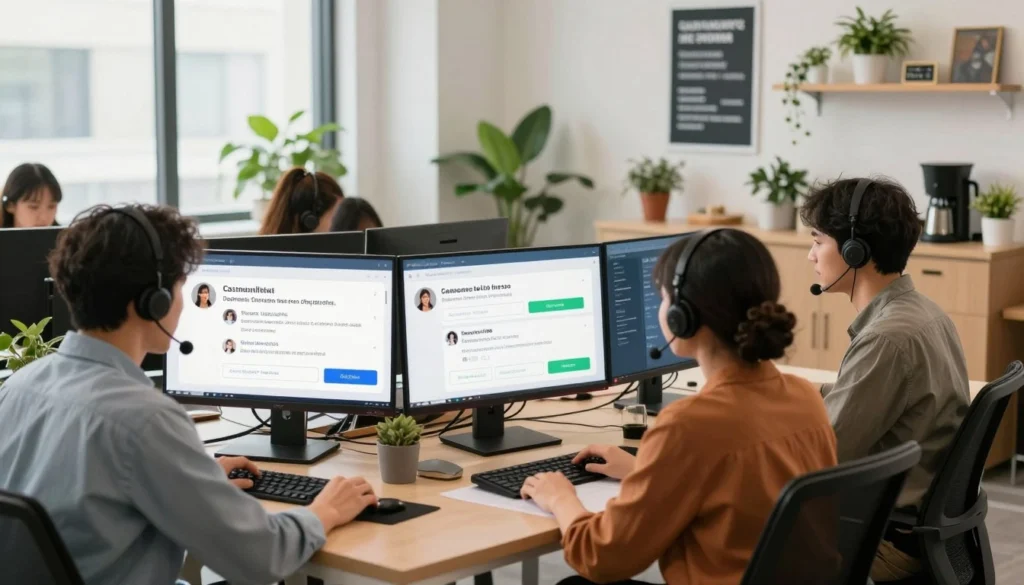
Indian shoppers might be hesitant to buy online if they worry about returns. A clear and transparent return policy can make them feel safer. It tells them they can return items easily, which lowers their risk.
Make sure your return policy is easy to find and understand. Honesty builds loyalty. Customers are more likely to come back if they feel treated fairly. Avoid hidden fees or confusing language that might upset your customers.
Email marketing is a powerful tool for getting customers to come back. By getting their email at checkout, you can send them special offers and updates. This keeps your brand in their thoughts even after they’ve made a purchase.
Send automated emails with discounts or suggestions for more products. Personalization is key here. Generic emails get ignored. Keep your communication consistent and valuable to keep customers coming back.
Starting an online business in India needs careful planning and discipline. You now know how to handle legal stuff, pick the best platforms, and manage supply chains well.
Success comes from being flexible and knowing your audience well. Every choice you make, like your storefront or payment options, affects your future.
Building a strong brand takes time and effort. Focus on keeping your customers happy and running smoothly to stand out online. Your dedication to value will shape your journey in this fast-changing field.
Begin your journey today by using these tips for your business. Share your progress or ask for help on growing your business. Taking that first step is where your entrepreneurial journey starts.
The Indian e-commerce market is growing fast. This is because more people are using the internet and preferring online shopping. Entrepreneurs can tap into this growth by finding a niche and understanding market trends.
Start by doing thorough market research. Look at what your competitors are doing with their pricing and strategies. Also, check if there’s real demand for your product and if it meets your target audience’s needs.
It depends on how much risk you’re willing to take and how much money you have. Dropshipping is low-risk but gives you less control. Inventory-based models offer more control but require more money. You might also consider private labeling or white labeling for a unique brand or quick market entry.
You need to decide if you want to register as a sole proprietorship or a private limited company. Either way, getting a GST registration is a must for online sales. You also need trade licenses and to follow data privacy laws to protect customer info.
Both have their advantages. Building your own website gives you full control over your brand. But, marketplaces like Amazon India and Flipkart offer access to a huge customer base, even if you have less control over branding.
Focus on making your store easy to use. Most Indian shoppers use smartphones, so make sure your site works well on mobile. A clean, easy-to-navigate design helps turn visitors into buyers.
Use trusted gateways like Razorpay and Cashfree for secure transactions. They support many payment methods, including UPI and credit cards. This builds trust with your customers.
Working with courier aggregators is a smart move. They help manage shipping across India, reducing the risk of stockouts and improving delivery times.
SEO is key for local visibility and attracting organic traffic. Social media and influencer marketing also help build your brand and reach your audience more effectively than ads.
Good financial planning means budgeting for setup and marketing costs. Managing cash flow and profit margins helps your business stay strong and grow in a competitive market.
Trust is key to keeping customers. Offer clear return policies and great customer service. Email marketing with personalized offers also helps keep customers coming back.
✨ Introduction
Starting an e-commerce business is one of the easiest ways to enter the world of entrepreneurship today. With minimal upfront investment, you can sell products to customers across the globe—all from your home.
But while it sounds simple, many beginners struggle with where to start. This guide walks you through every step, from choosing a niche to launching and growing your online store.
📌 1. Choose a Profitable Niche
Your niche is the foundation of your business. Instead of selling everything, focus on a specific audience or problem.
How to choose a good niche:
Examples of niches:
🖼️ Visual Idea: Niche Research
📌 2. Decide What to Sell
There are three main product types:
💡 Tip: Start with a few products instead of a large catalog.
📌 3. Choose a Business Model
Pick a model that suits your budget and goals:
Each has pros and cons, but dropshipping is often best for beginners.
📌 4. Create a Simple Business Plan
You don’t need a complex plan—just clarity.
Include:
This keeps you focused and avoids unnecessary spending.
📌 5. Choose the Right E-commerce Platform
Your platform is where your store lives online.
Popular options:
💡 Recommendation: Beginners often find Shopify easiest to start with.
🖼️ Visual Idea: Store Setup
📌 6. Set Up Your Online Store
Now it’s time to build your store.
Steps:
Use tools like Canva to create banners and product images.
Pro Tip: Keep your design clean and mobile-friendly.
📌 7. Source Your Products
Where will your products come from?
Options include:
Make sure to:
📌 8. Price Your Products Smartly
Pricing can make or break your business.
Basic formula:
Cost + Profit Margin = Selling Price
Also consider:
💡 Psychological pricing (e.g., ₹999 instead of ₹1000) can increase sales.
📌 9. Launch & Market Your Store
Even the best products won’t sell without marketing.
Effective strategies:
Platforms to focus on:
💡 Start with organic marketing before investing heavily in ads.
🖼️ Visual Idea: Marketing Channels
📌 10. Optimize & Scale Your Business
Once your store is live, focus on growth.
Ways to scale:
Small improvements over time lead to big results.
⚠️ Common Mistakes to Avoid
Many beginners fail due to avoidable errors:
Learn from these mistakes to stay ahead.
🎯 Final Thoughts
Starting an e-commerce business doesn’t require perfection—it requires action. Begin with a simple idea, test your products, and improve as you learn.
The online market is growing rapidly, and there’s never been a better time to start. With consistency and the right strategy, your e-commerce store can turn into a profitable long-term business.
❓ FAQ Section (Optional for SEO)
Q: How much money do I need to start?
You can start with as little as ₹5,000–₹20,000 depending on your model.
Q: Is e-commerce profitable in 2026?
Yes, especially with niche targeting and strong marketing.
Q: Can I start without inventory?
Yes, drop shipping allows you to sell without holding stock.