

Wait, don't go!
Before you leave, we have a special offer just for you!
Get 5% off your next purchase.


Before you leave, we have a special offer just for you!
Get 5% off your next purchase.


E-commerce has undergone a dramatic transformation over the past decade. What once began as a convenient way to buy and sell products online has now evolved into something far more complex and human-centric. The traditional model of transactional commerce—where businesses focused solely on selling products at competitive prices—is steadily giving way to a relational approach. In this new era, success is defined not just by conversions, but by connections.
In the early days of e-commerce, the primary goal was efficiency. Businesses competed on pricing, product variety, and delivery speed. Customers, in turn, were driven by convenience and cost-effectiveness. The relationship between buyer and seller was straightforward and short-term: a need arose, a purchase was made, and the interaction ended.
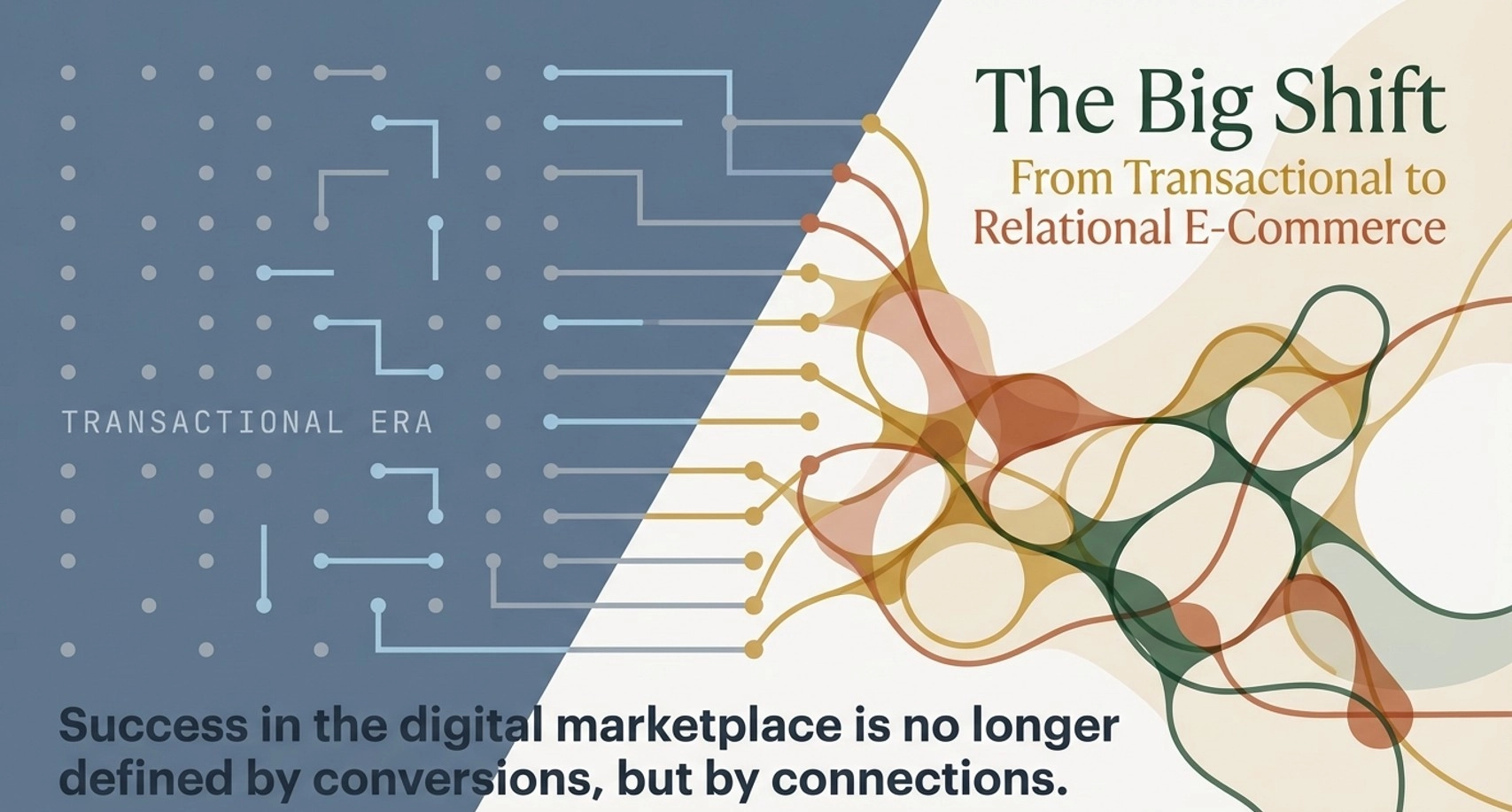
This model worked well in a less crowded digital marketplace. However, as competition intensified and consumers were flooded with choices, it became increasingly difficult for brands to stand out. The transactional approach, while effective for quick sales, lacked emotional depth and long-term engagement.
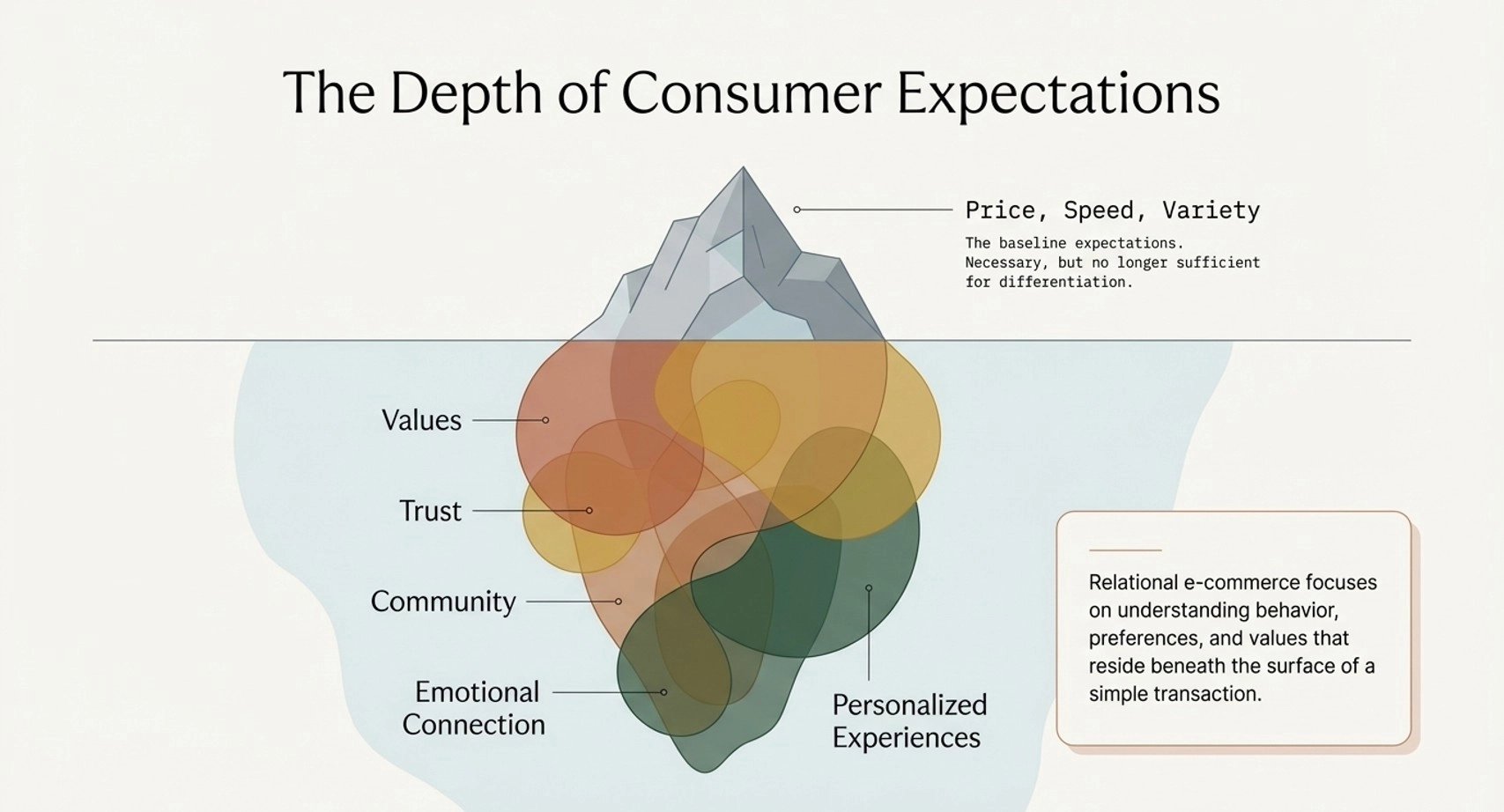
Today’s consumers expect more. They are not just looking for products; they are seeking meaningful experiences. This shift has given rise to relational e-commerce—a model that prioritizes long-term relationships over one-time transactions.
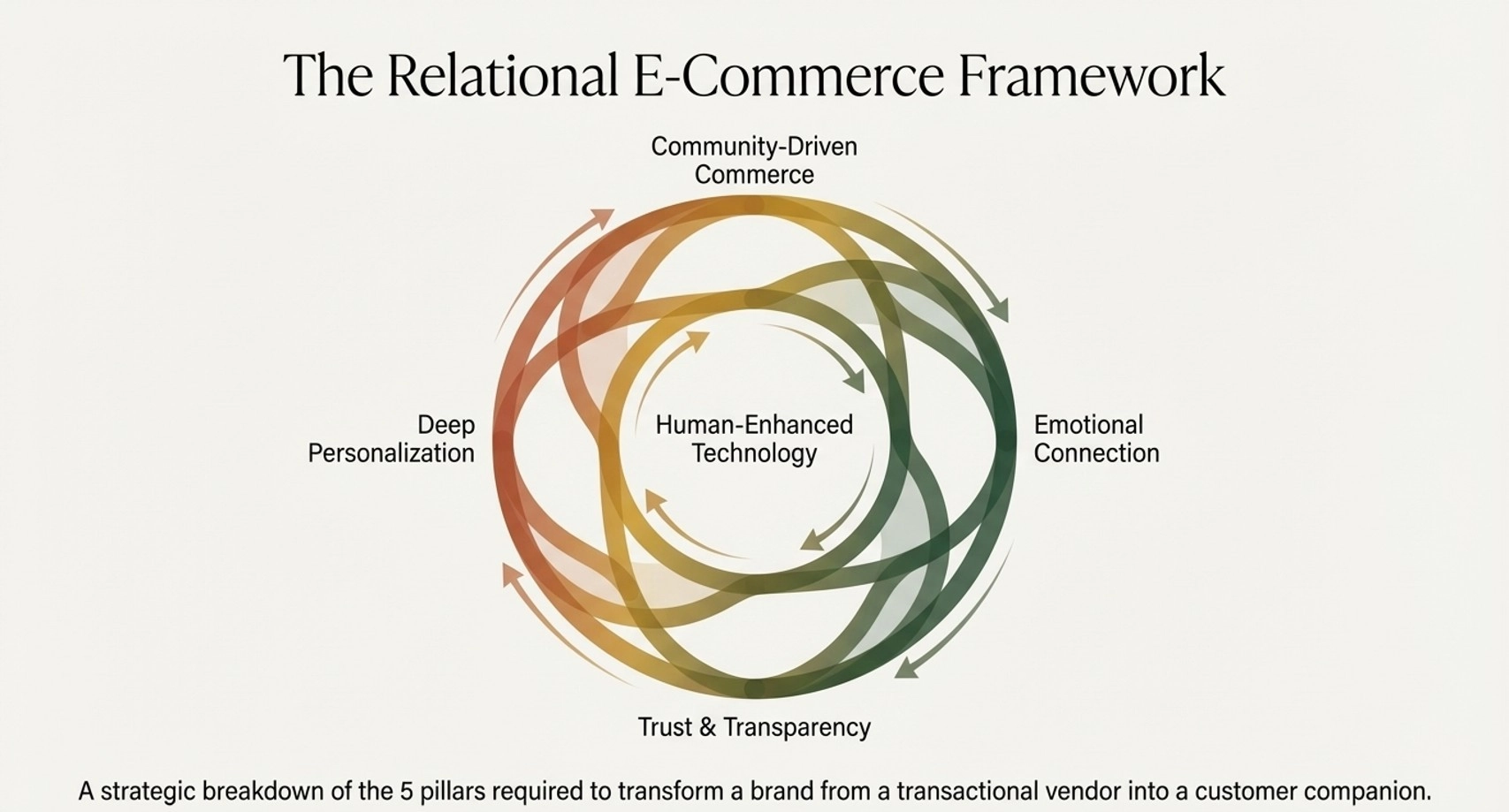
Relational e-commerce focuses on understanding customer behaviour, preferences, and values. It emphasizes personalized experiences, consistent engagement, and emotional connection. Brands are no longer sellers; they are becoming companions in the customer’s journey.
One of the key drivers of relational e-commerce is personalization. With advancements in data analytics and artificial intelligence, businesses can now tailor their offerings to individual customers. From personalized product recommendations to customized email campaigns, every interaction can be designed to feel relevant and meaningful.
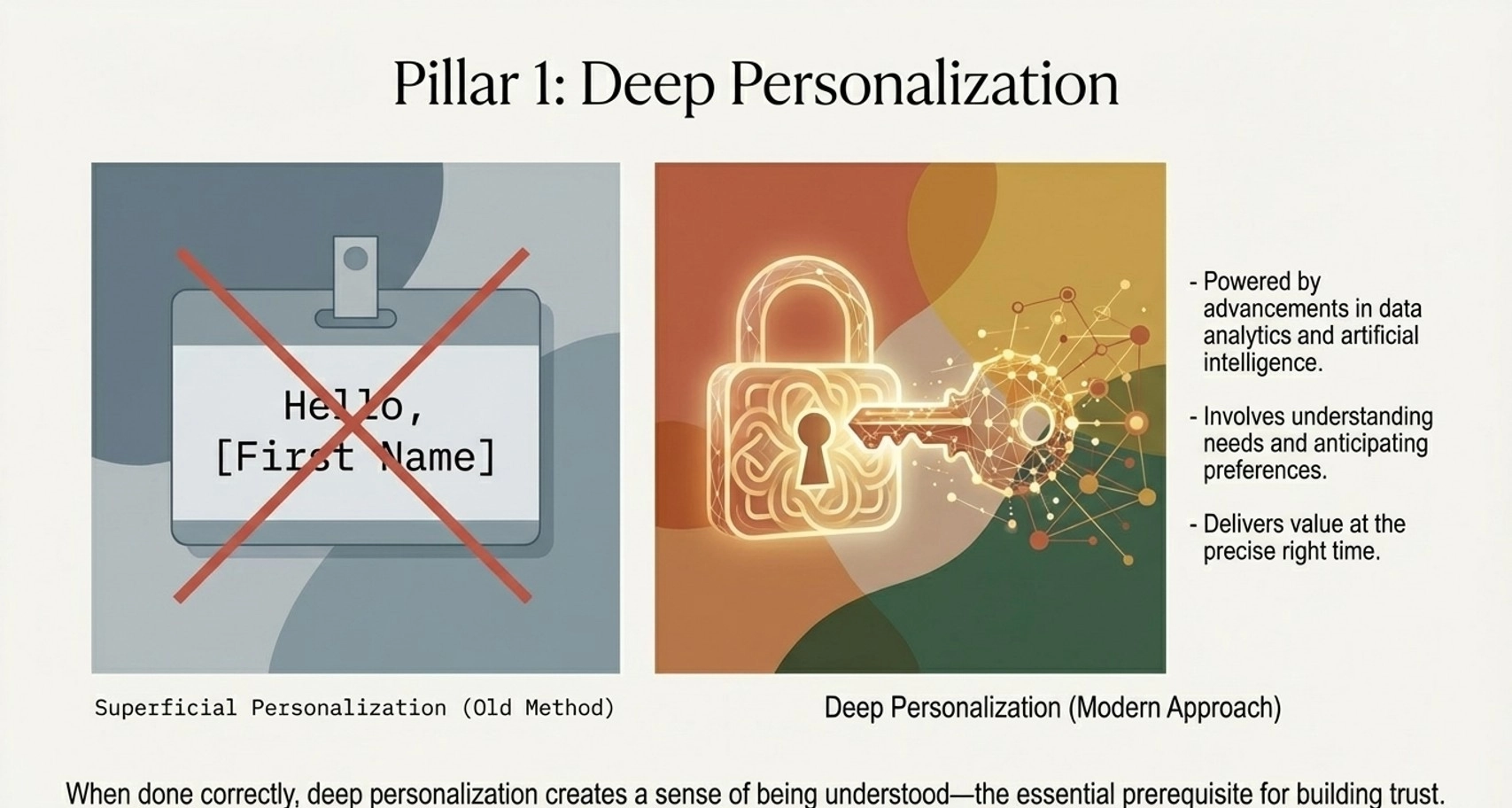
Personalization goes beyond simply addressing customers by their names. It involves understanding their needs, anticipating their preferences, and delivering value at the right time. When done correctly, it creates a sense of being understood, which is essential for building trust.
Emotions play a crucial role in decision-making. Modern consumers are more likely to engage with brands that resonate with their values and beliefs. This is why storytelling has become a powerful tool in e-commerce.
Brands that share authentic stories—about their origins, their mission, or their impact—are able to connect with customers on a deeper level. Whether it’s sustainability initiatives, community involvement, or ethical sourcing, these narratives help humanize businesses and foster loyalty.
Another important aspect of relational e-commerce is the emphasis on community. Successful brands are creating spaces where customers can interact, share experiences, and feel a sense of belonging.
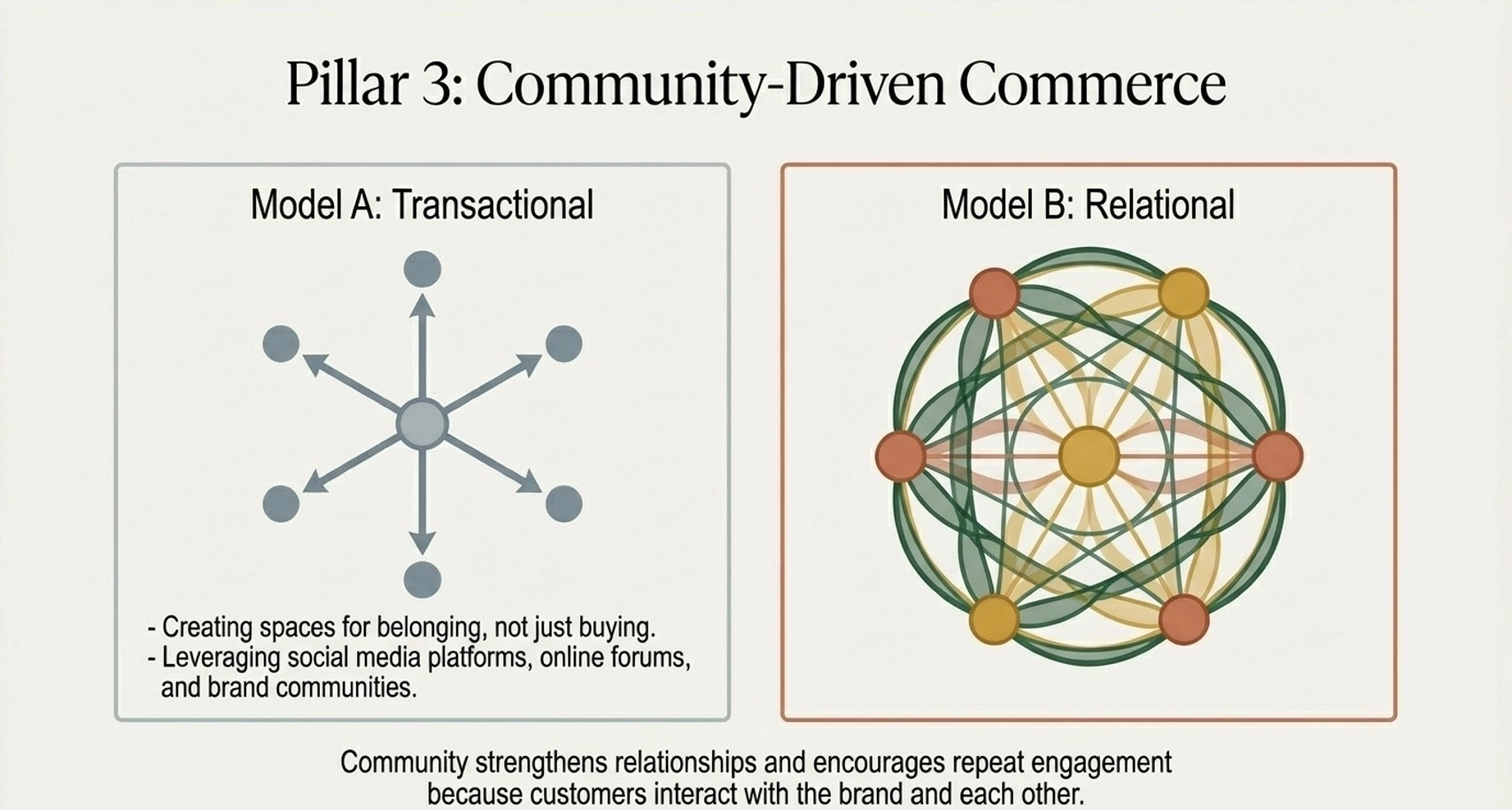
Social media platforms, online forums, and brand communities have become integral to this strategy. They allow customers to engage not just with the brand, but also with each other. This sense of community strengthens relationships and encourages repeat engagement.
Trust is the foundation of any strong relationship, and e-commerce is no exception. In a digital environment where face-to-face interactions are absent, transparency becomes crucial.
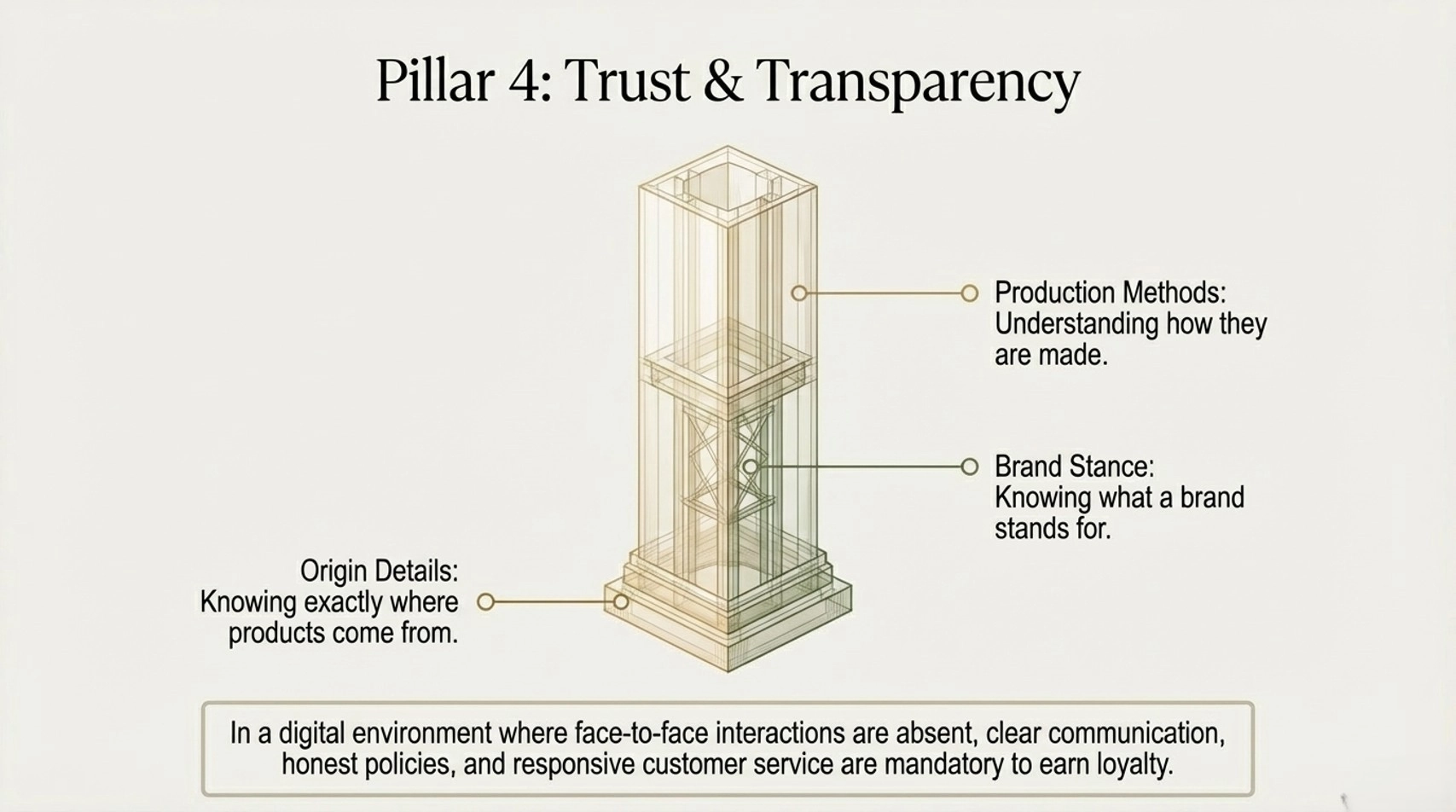
Customers want to know where products come from, how they are made, and what a brand stands for. Clear communication, honest policies, and responsive customer service all contribute to building trust. Brands that prioritize transparency are more likely to earn customer loyalty.
Technology continues to play a vital role in this transformation. Tools such as AI, chatbots, and customer relationship management systems enable businesses to interact with customers in more meaningful ways.
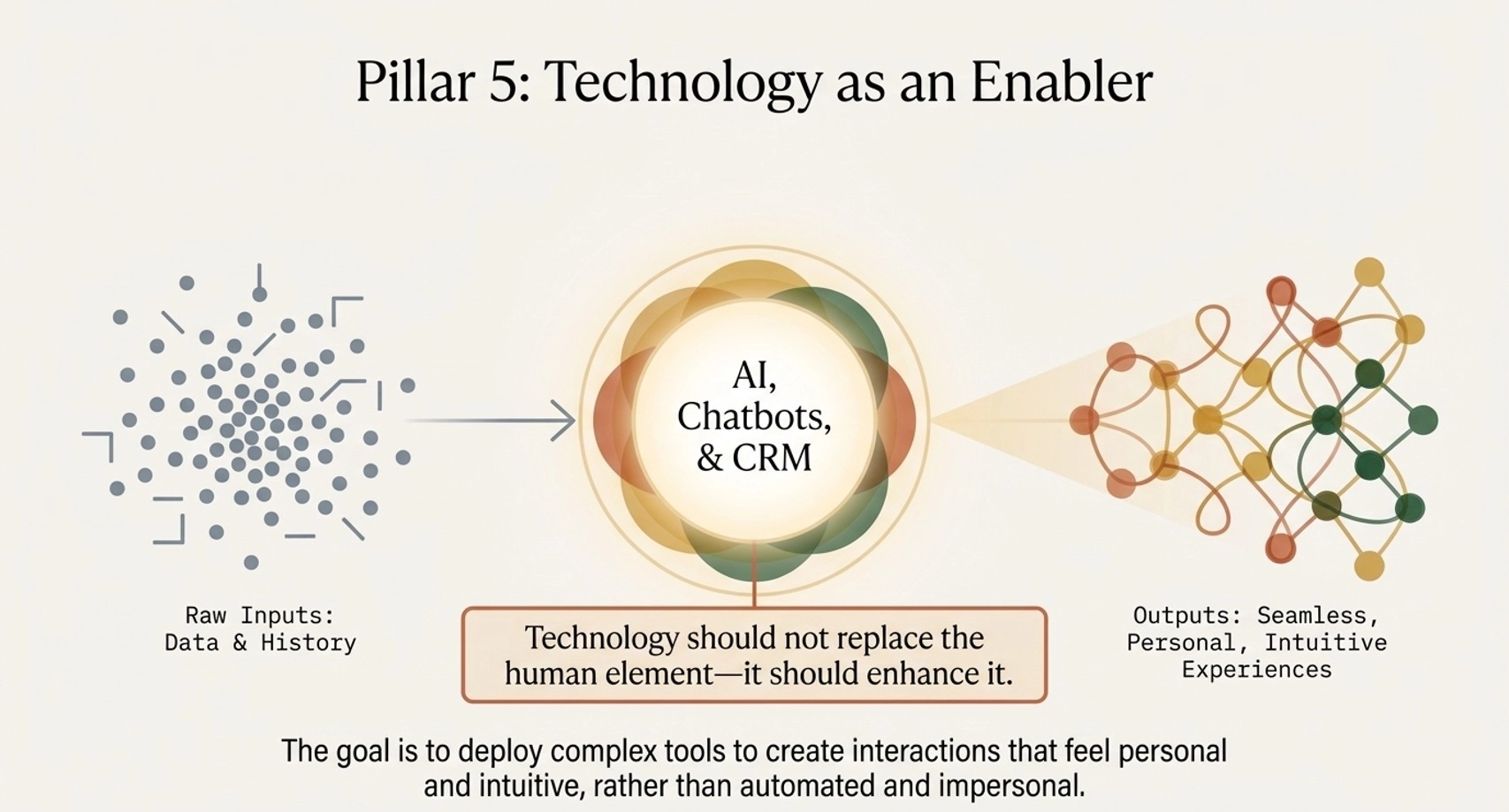
However, technology should not replace the human element—it should enhance it. The goal is to create seamless experiences that feel personal and intuitive, rather than automated and impersonal.
While the shift to relational e-commerce offers numerous benefits, it is not without challenges. It requires a fundamental change in mindset, as well as investment in technology and strategy.
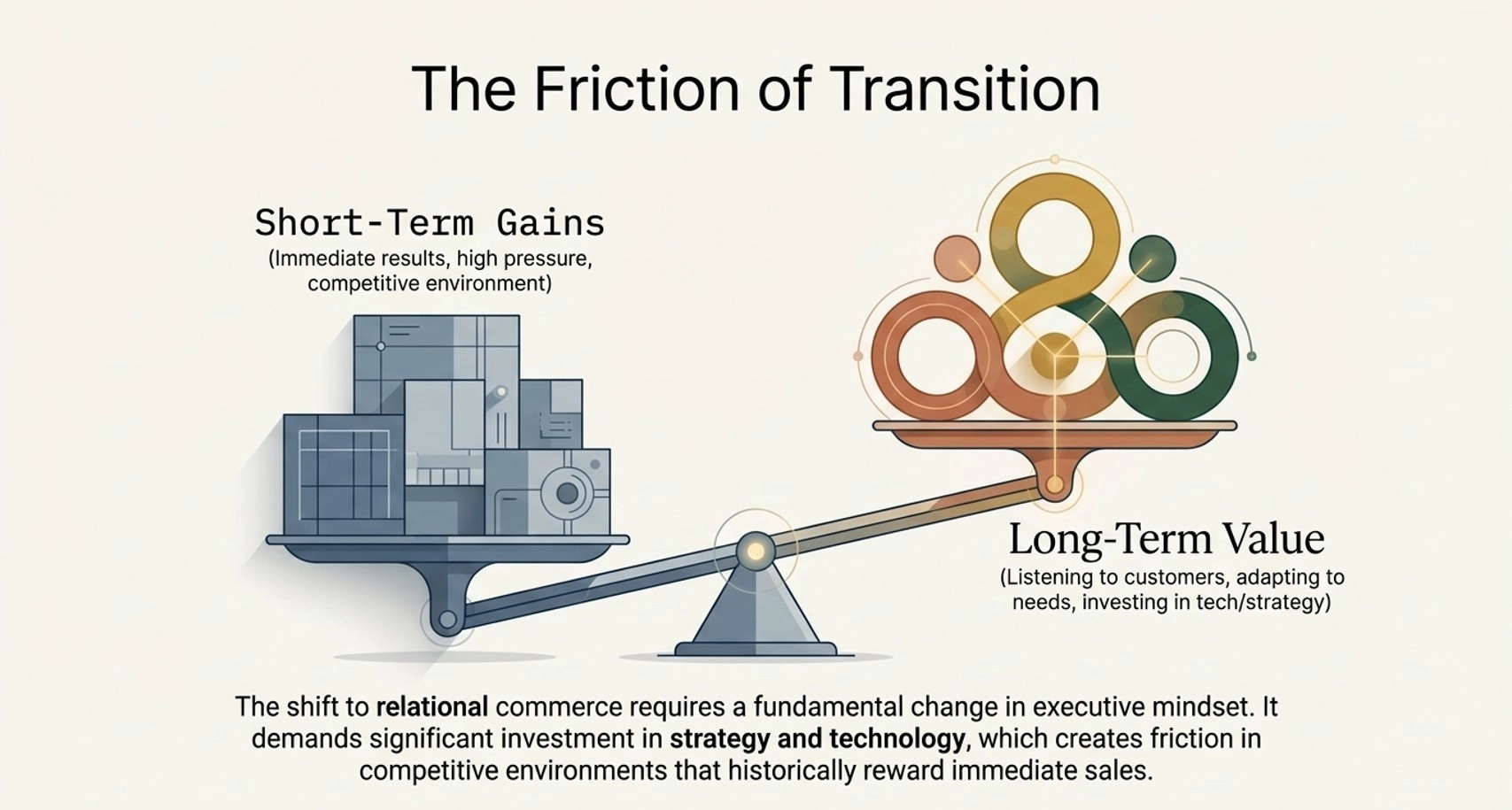
Businesses must be willing to listen to their customers, adapt to their needs, and prioritize long-term value over short-term gains. This can be difficult in a competitive environment where immediate results are often prioritized.
As we look ahead, it is clear that relational e-commerce is not just a trend—it is the future. Consumers will continue to demand more personalized, meaningful, and ethical experiences.
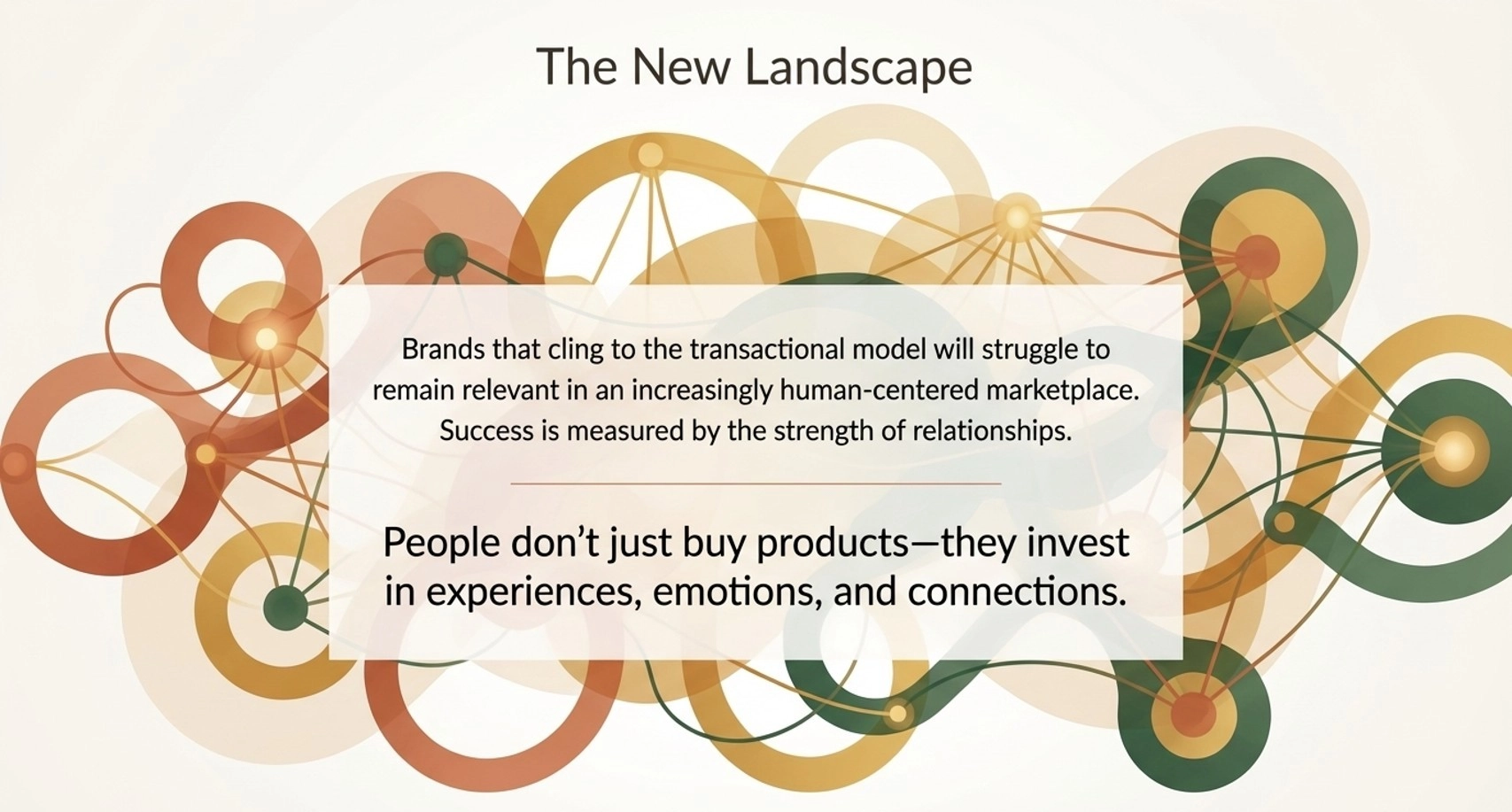
Brands that embrace this shift will be better positioned to build lasting relationships and achieve sustainable growth. Those that cling to the transactional model may struggle to remain relevant in an increasingly human-centered marketplace.
Conclusion
The evolution from transactional to relational e-commerce marks a significant turning point in the digital economy. It reflects a broader shift in consumer expectations and highlights the importance of human connection in business.
In this new landscape, success is not measured solely by sales, but by the strength of relationships. The brands that thrive will be those that see their customers not just as buyers, but as individuals with unique needs, values, and aspirations.
Ultimately, the future of e-commerce belongs to those who understand one simple truth: people don’t just buy products—they invest in experiences, emotions, and connections.