

Wait, don't go!
Before you leave, we have a special offer just for you!
Get 5% off your next purchase.


Before you leave, we have a special offer just for you!
Get 5% off your next purchase.
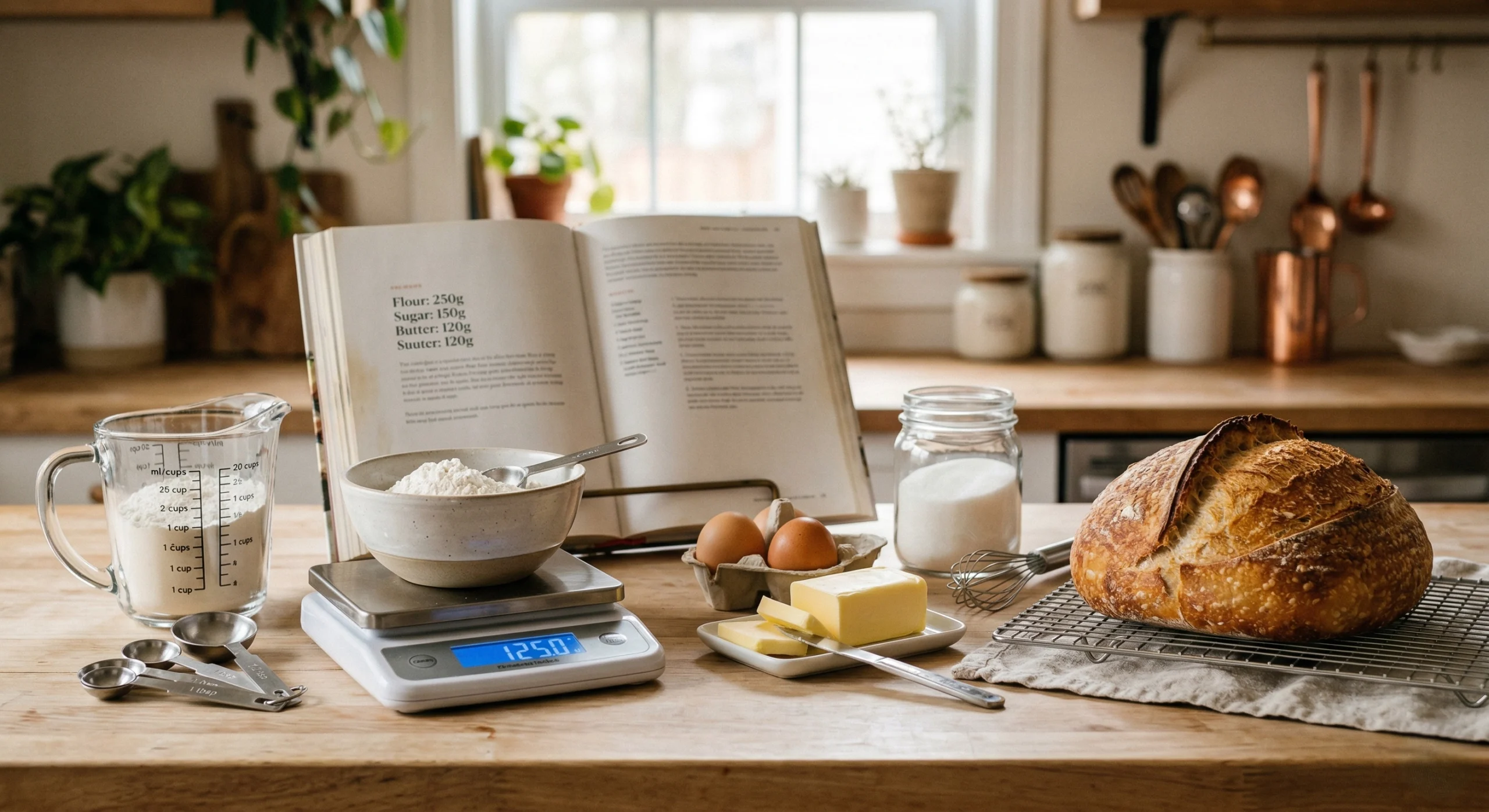

Ever wondered why some home cooks make treats that look like they’re from a pro shop? It’s not just luck. Getting consistent baking results means moving from casual mixing to a scientific approach.
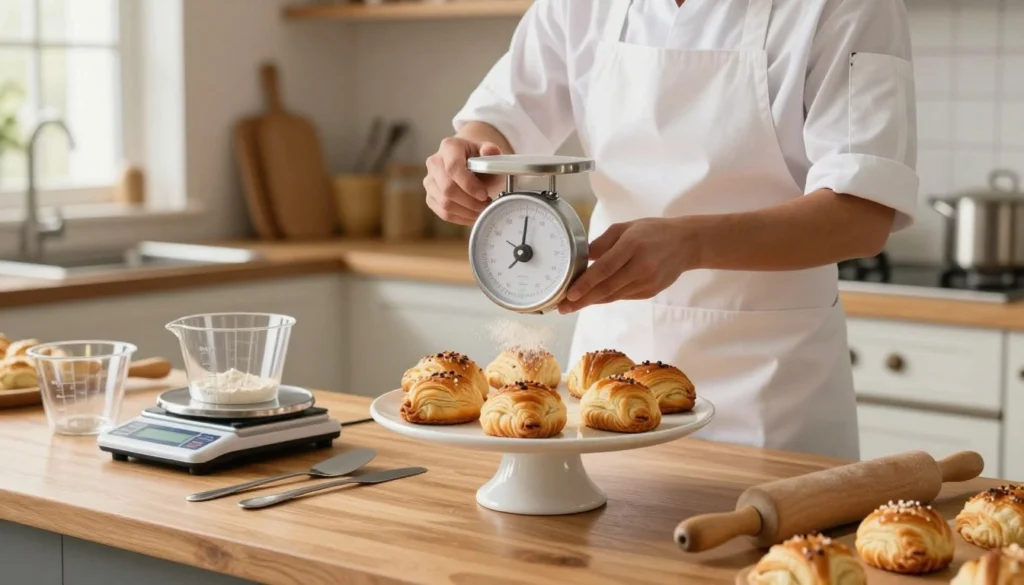
See your kitchen as a lab. Baking is chemistry, where exact ratios matter for how your dough rises or cookies set. Careful measuring gives you control over your final product.
Setting high standards changes your kitchen time. You’ll stop guessing and start making delicious dishes with confidence. Learning these basic techniques means your home kitchen will produce top-quality results.
The secret to making treats like a pro is Precision Baking: The Key to Flawless Results Every Time. Home bakers should see their kitchen as a lab, not just a place for fun. This way, you can make things come out right every time.
Baking science is all about how ingredients work together. Every bit of flour or liquid matters for your treats. Knowing this lets you fix your recipes with confidence.
Changing how you bake from guessing to measuring is key. You start using exact tools instead of vague amounts. This helps you spot and fix mistakes, turning failures into lessons.
By diving into baking science, your kitchen becomes a place of discovery. Precision Baking: The Key to Flawless Results Every Time isn’t about losing your creativity. It’s about building a solid base for it. Once you get the basics right, you can play with flavors and know your skills will shine through.
If you want to improve your baking, it’s time to ditch the measuring cup. Traditional recipes use volume, but baking science needs a more precise method. This ensures your baked goods are perfect every time.
Measuring by volume is not reliable because ingredients settle differently. Flour, sugar, and cocoa powder can vary in weight. This means you might get too much or too little, depending on how you scoop.
“Baking is a science, and like any science, it requires precise measurements to achieve consistent results.”
This problem leads to dense cakes and dry cookies. Relying on volume means you can’t control the chemical reactions in your oven. This affects your ingredient accuracy.
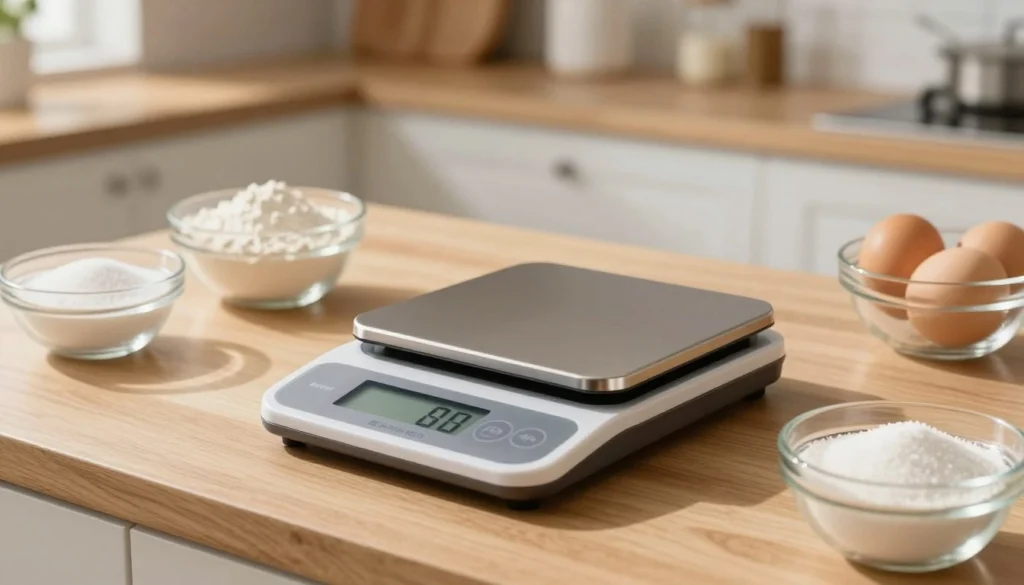
Getting a good digital kitchen scale is key to better baking. It makes sure every gram is right, leading to professional results.
When buying a scale, look for features that help home bakers. Here are the must-haves:
Switching to weight measurements is simpler than you think. Most baking ingredients have standard weights. You can update your favorite recipes with these values.
For example, one cup of all-purpose flour is about 120 to 125 grams. Applying baking science to your baking will greatly improve your results. Using a digital kitchen scale turns your kitchen into a place where success is guaranteed.
Your kitchen is a key player in every recipe. While focusing on ingredient accuracy is important, your tools and environment also play a big role in success.
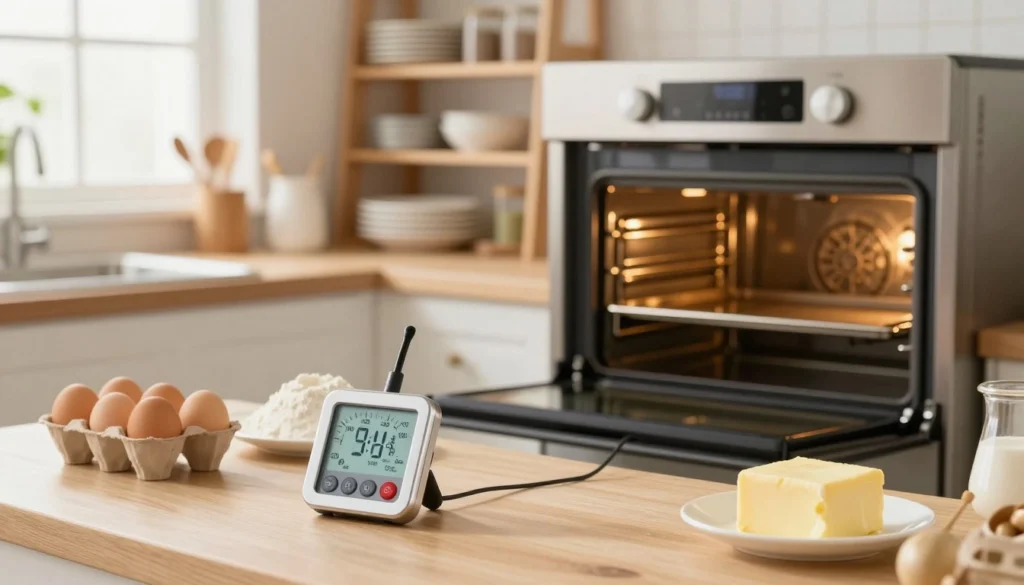
Home ovens often don’t match their digital displays. They can be off by up to 25 degrees Fahrenheit. This can mess up delicate baked goods.
Proper oven calibration is key for the right heat. Without it, your baked goods might burn before they’re fully cooked.
An independent thermometer is the best way to check your oven’s accuracy. Hang it on the center rack for a true temperature reading.
Consistency is the hallmark of a great baker. By using a thermometer, you can adjust your oven to bake perfectly every time.
Recipes that call for room temperature ingredients are not just suggestions. Butter, eggs, and milk need to be at the right temperature for a good mix.
At room temperature, these ingredients mix well to trap air. This is essential for a light, airy texture in pastries and cakes.
The material of your pans affects how heat is spread during baking. Dark metal pans get hot fast, making crusts darker and crisper.
On the other hand, light-colored pans like aluminum or glass reflect heat. This leads to a slower, more even bake. The right pan choice helps control your baked goods’ texture and look.
Mixing is not just about combining ingredients. It’s a precise science that affects the texture of your baked goods. By learning specific baking techniques, you can make sure every cake, cookie, or pastry has the right crumb. Knowing the mechanical side of your recipe lets you control the outcome with confidence.
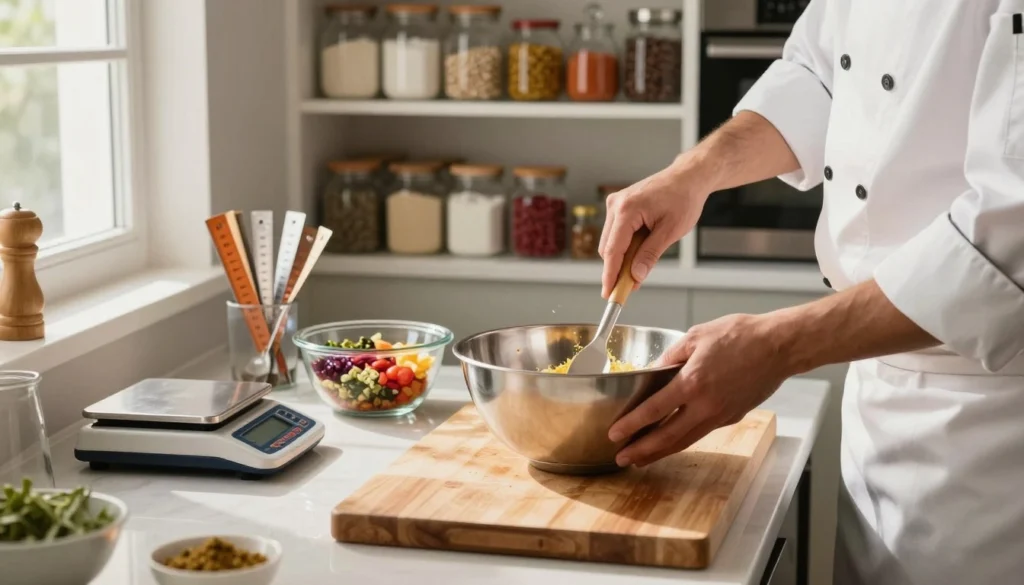
The creaming method is key for making light, fluffy cakes. It uses room temperature ingredients like butter and eggs for smooth blending. Beating butter and sugar together creates air pockets that grow during baking.
This is where the emulsification process starts. Adding liquids slowly to your fat-based mix creates a stable batter. If your ingredients are too cold, the emulsion can break, making the final product dense or greasy.
Gluten development is important but tricky in baking. It gives bread its chewiness but can ruin the crumb of a sponge cake or muffin. Controlling gluten means managing how much you mix flour with liquid.
To keep pastries tender, mix dry and wet ingredients just until combined. Over-mixing makes flour proteins form long strands. Avoiding this extra work is key to a soft, melt-in-your-mouth texture.
When working with delicate mixtures like egg whites or whipped cream, avoid stirring. Instead, use a gentle folding motion to mix without losing air. Proper folding means cutting through the center and scraping along the bottom to lift the batter.
This slow, rhythmic folding preserves the volume of your batter, leading to a light and airy result. Mastering these baking techniques will improve your skills and help you achieve professional-grade results at home. Consistency in your motion is essential when working with sensitive components.
Managing temperature is a journey from the first mix to cooling. Many home bakers focus on the oven setting at the start. But, true mastery of baking techniques means watching the temperature all the way through. Adjusting heat can turn a dry loaf into a moist, perfect crumb.
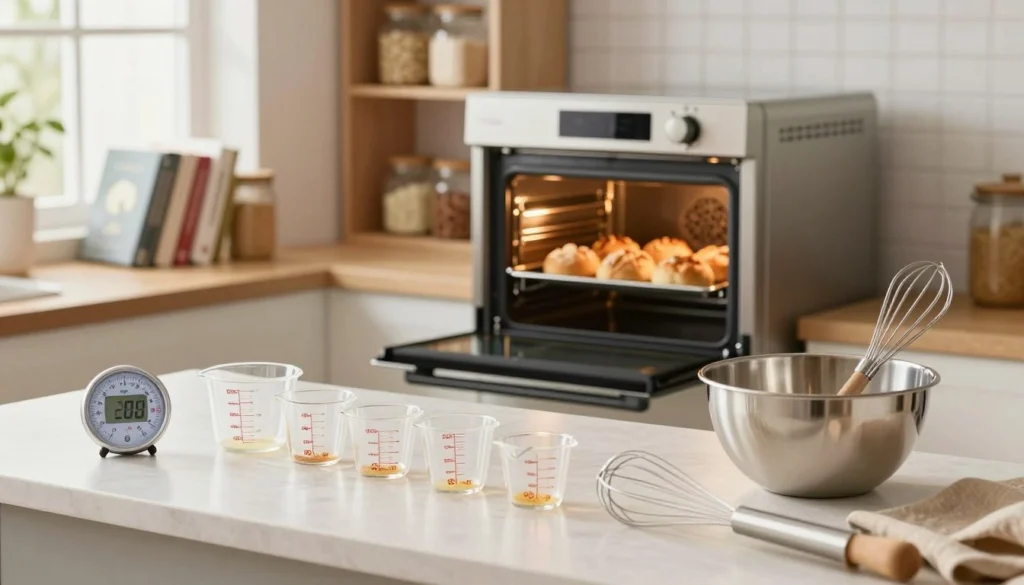
Just looking or using timers isn’t enough for success. An instant-read thermometer is key for checking the internal temperature of your baked goods. It makes sure the center is cooked right without overcooking the outside.
For most yeast breads, aim for an internal reading of 190°F to 210°F. Richer doughs, like brioche, need a bit higher temperature. This ensures butter and eggs are fully cooked. Using a thermometer makes your baking routine more precise.
Most home ovens have uneven heat, causing burnt edges or undercooked centers. Finding these hot spots is key for even results. Test your oven by baking white bread slices and seeing which ones brown first.
To manage hot spots effectively:
The baking process doesn’t end when you take the pan out of the oven. Cooling properly is essential for the final structure of your baked goods. Leaving items in the pan too long can make the bottom soggy.
Always move your items to a wire cooling rack as soon as you can. This step promotes essential airflow and prevents soggy crusts. Proper cooling ensures your baked goods have the right texture.
Even the most skilled bakers sometimes run into kitchen surprises. To fix these issues, it’s important to stay calm and pay close attention to details. Spotting common mistakes early can often save your recipe.
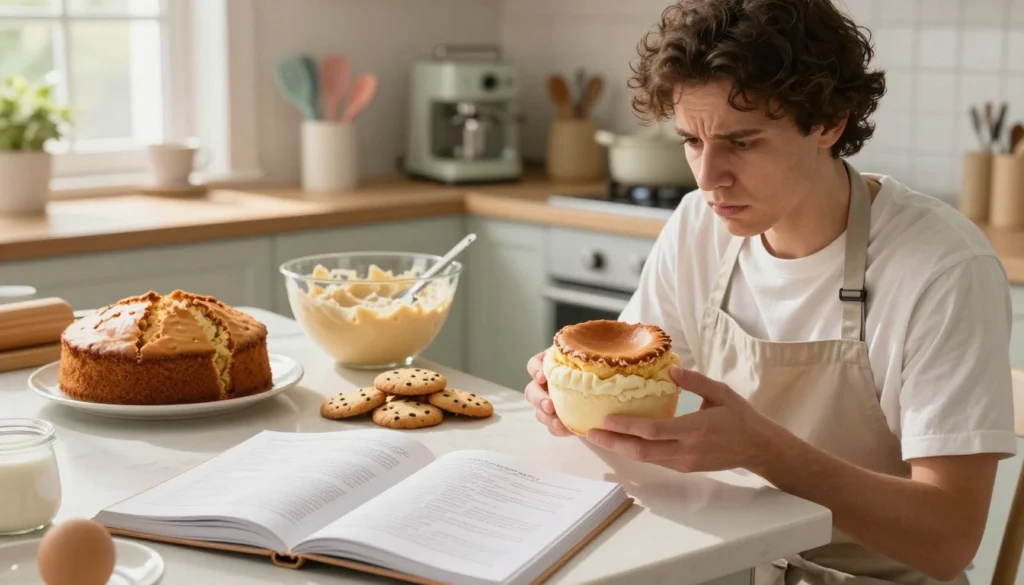
Mixing too much is a common mistake. It makes the batter tough and rubbery. This is true for cakes and quick breads.
Look for big, uneven tunnels in your muffins or loaves. These tunnels mean the flour was mixed too long. Always mix just until the ingredients are combined for a soft crumb.
Flat baked goods often point to bad leavening agents. Baking powder and baking soda lose power over time, mainly in humid places.
Test your baking powder by mixing it with hot water. If it doesn’t bubble well, it’s time for new one. Fresh ingredients are key for a good rise, so check expiration dates often.
Baking at high altitudes is tricky because of lower air pressure. This can make cakes rise too fast and then fall before they set.
For high-altitude baking, you might need to use less leavening or bake at a higher temperature. These small changes help your baked goods keep their shape and texture, no matter the height.
Starting your journey to kitchen excellence is all about changing how you think. It’s moving from just following recipes to becoming a true master in the kitchen. This means using exact measurements and controlling your environment.
Every time you bake, it’s a chance to get better. Soon, you’ll see that your baking always turns out great. This happens when you focus on the basics.
Tools like an Escali digital scale or a Thermapen thermometer are your allies. They help you avoid the mistakes that can be frustrating. With them, you can try new flavors and ingredients with confidence.
Make these tips a part of your baking routine to boost your confidence. As you get better at adjusting recipes, you’ll feel more in control. Share your best dishes with loved ones to celebrate your growth.
Keep exploring and improving your baking skills. The journey to making perfect pastries and cakes is rewarding. Your kitchen is now a place where you can create delicious wonders.
Precision baking is like chemistry, where exact ratios are key. Treating your kitchen like a pro pastry space ensures perfect results. Every chemical reaction, from leavening to gluten development, happens just right.
Volume measurements with cups are not reliable because ingredients can change volume. A digital scale, like the Escali Primo, gives you exact gram measurements. This ensures you add the right amount, not a variable volume.
The tare function zeros out the weight of your bowl or previous ingredients. It’s a game-changer for precision baking. It lets you add ingredients accurately to the same bowl. Brands like Ozeri make this process easy and clean.
Home ovens can be off by 10 to 25 degrees Fahrenheit. To get consistent heat, use an external Rubbermaid oven thermometer for calibration. This helps you avoid oven hot spots and ensures your pastries bake at the right temperature.
Room temperature ingredients are essential for emulsification. When butter, eggs, and milk are at the same temperature, they mix well. If they’re too cold, the mixture can curdle, ruining the texture.
Yes! Different bakeware materials conduct heat differently. For example, Nordic Ware’s aluminum pans heat evenly, preventing burnt edges. This is better than glass or silicone.
Use an instant-read thermometer like the Thermapen instead of a toothpick. Most artisan breads are done at 190-210°F. This ensures they’re set without drying out.
Over-mixing makes the batter tough and rubbery. It can also cause “tunnels” in muffins or cakes. Proper folding techniques keep your bakes light and airy.
At high altitudes, leavening agents expand faster and moisture evaporates quicker. You might need to reduce baking powder, increase liquid, or raise the oven temperature. This ensures a proper rise.
A cooling rack lets air circulate around the entire surface, including the bottom. This prevents steam from causing soggy bottoms and helps the product set properly.