
Wait, don't go!
Before you leave, we have a special offer just for you!
Get 5% off your next purchase.

Before you leave, we have a special offer just for you!
Get 5% off your next purchase.

In a world bombarding us with ads for the latest gadgets, clothes, and tools, the idea of owning less feels radical. Yet, embracing a minimalist lifestyle—intentionally curating fewer possessions—can unlock profound happiness. It’s not about deprivation; it’s about freedom. By shedding excess, you reclaim time, mental space, and joy. Let’s explore why less truly is more.
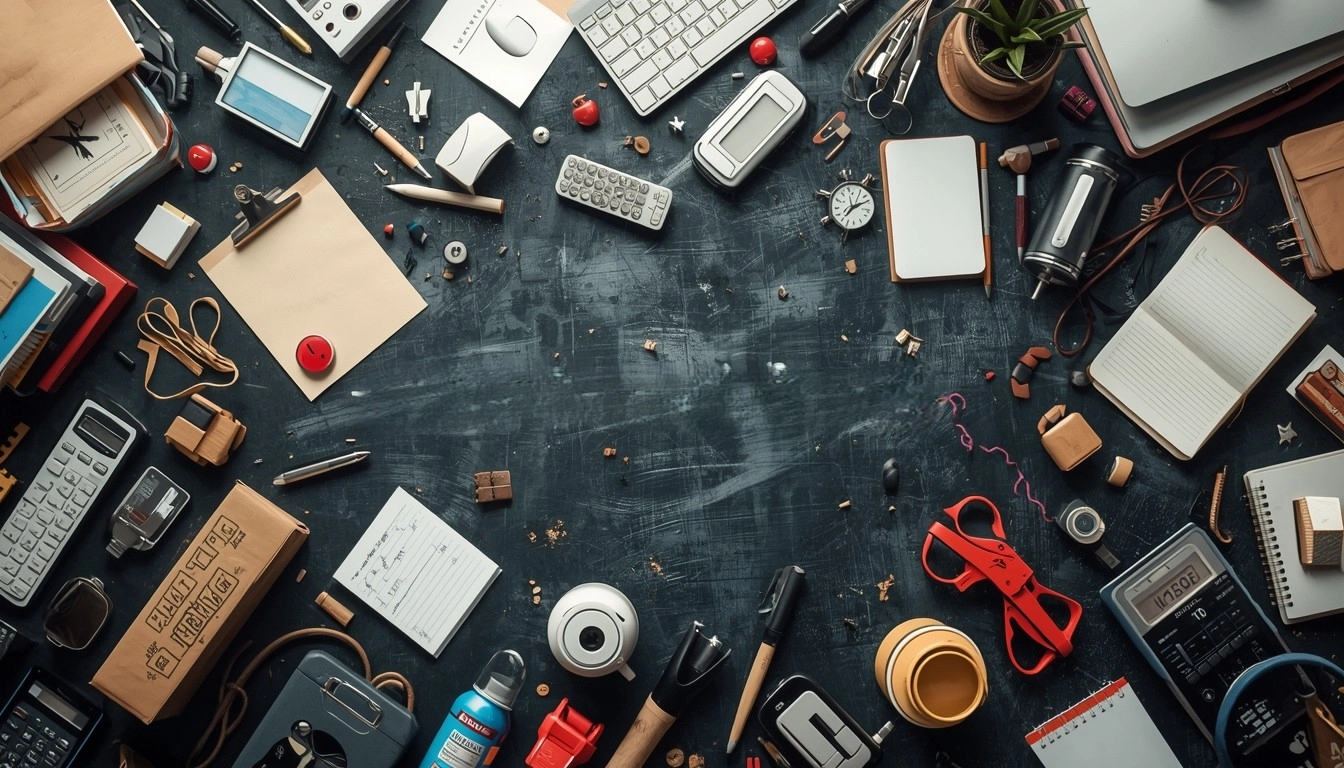
Our homes and digital lives overflow with items we rarely use. That stack of old cables in your drawer? The unused WordPress plugins cluttering your dashboard? They create visual noise, triggering low-level stress. Research from Princeton University shows that physical clutter competes for your attention, reducing focus and increasing anxiety.
Owning less declutters your mind. When Japanese organizing expert Marie Kondo asks, “Does it spark joy?” she’s onto something. A 2016 study in the Journal of Consumer Research found that people feel happier after decluttering because it reduces decision fatigue. Imagine logging into your e-commerce dashboard without sifting through obsolete product listings—pure relief.
For creators like you, managing YouTube thumbnails or PDF tools, minimalism streamlines workflows. Fewer apps mean faster decisions, leaving energy for what matters: coding that next feature or scripting a Bengali song.
Consumerism traps us in a buy-use-discard loop. You snag a new JavaScript framework course on sale, only to abandon it for the next shiny tool. Minimalism breaks this by prioritizing quality over quantity.
Consider the 80/20 rule (Pareto Principle): 80% of your happiness comes from 20% of your possessions. Ditch the rest, and redirect savings. A minimalist might invest in one premium mechanical keyboard instead of five cheap ones, or upgrade to a lifetime PDF processing subscription rather than free trials that expire.
Real-world proof? Joshua Fields Millburn and Ryan Nicodemus of The Minimalists ditched 90% of their belongings and reported skyrocketing life satisfaction. Financially, it adds up: Americans spend $1,700 yearly on impulse buys. Cut that, and you’re funding a YouTube monetization push or e-commerce inventory.
Stuff demands maintenance—cleaning, organizing, upgrading. A minimalist wardrobe of 33 items (as popularized by Courtney Carver’s Project 333) frees mornings for meditation or coding sessions. No more “what to wear” paralysis.
Time expands when possessions shrink. Leo Babauta of Zen Habits notes that minimalism creates white space in your calendar. For web devs, this means fewer distractions from notification-heavy apps, more hours optimizing SEO for diyanretail.com or brainstorming romantic instrumentals.

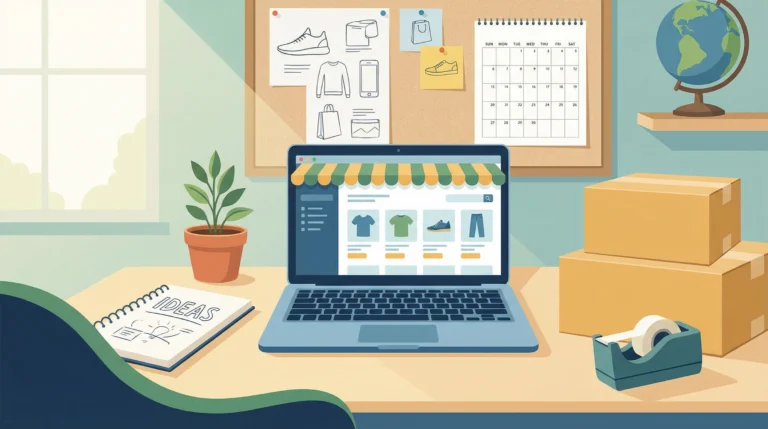
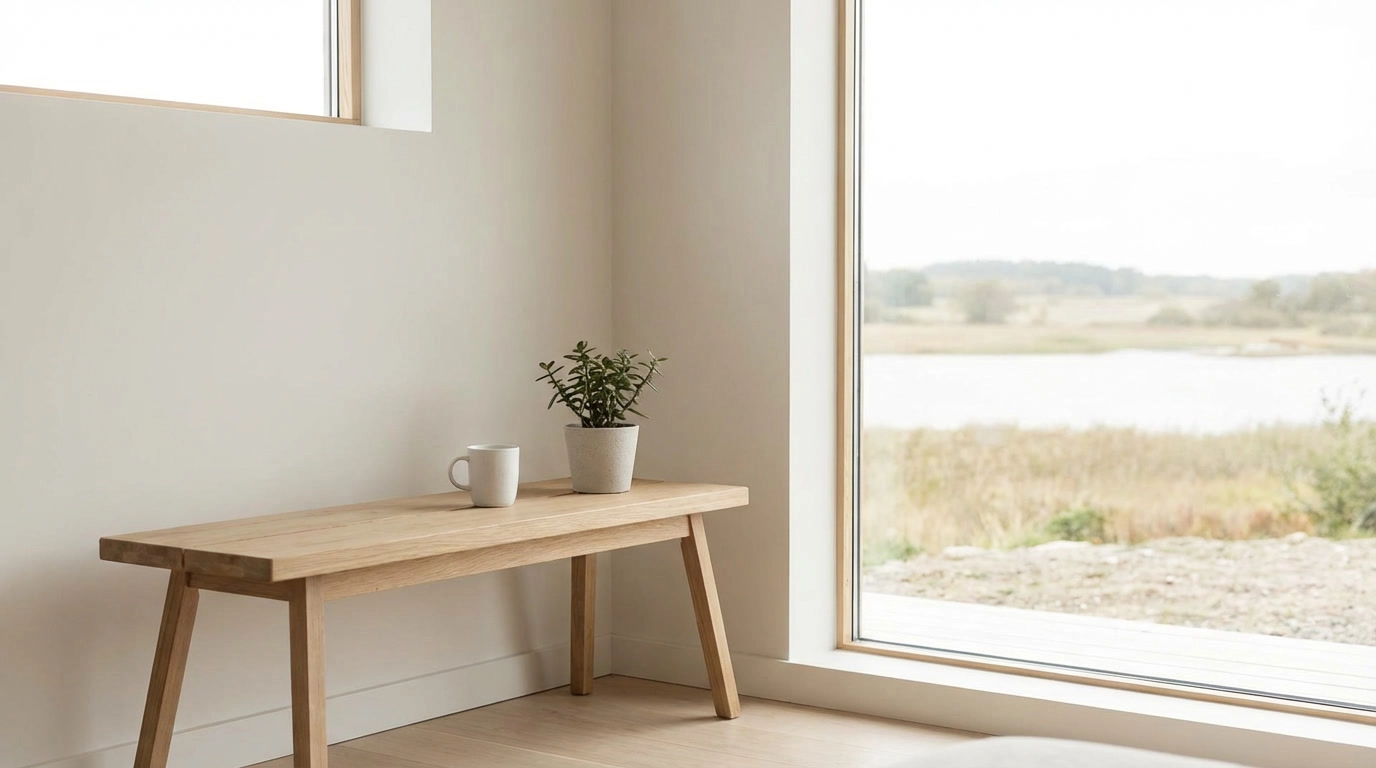
Picture this: Your desk holds just a laptop, notebook, and coffee mug. No tangled chargers or dusty gadgets. Suddenly, you’re prototyping a React component or designing a logo thumbnail without interruption. Happiness surges because you’re doing, not managing.
Excess isolates us. Piles of stuff block connection—literal and figurative. Minimalism fosters presence. Host friends without stressing over a messy space; share stories instead of showing off collections.
Travel light, live fully. A minimalist backpacker carries one bag, enabling spontaneous trips to Kolkata’s music scenes or Sonarpur’s markets. Experiences trump things: A live Bengali folk concert beats another shelf of vinyl.
Studies back it. The Journal of Positive Psychology (2014) found experiential purchases (concerts, classes) yield longer-lasting joy than material ones. Own less, savor more.
Ready to dive in? Start small—no overwhelm.
Track progress weekly. In a month, you’ll feel lighter, happier.
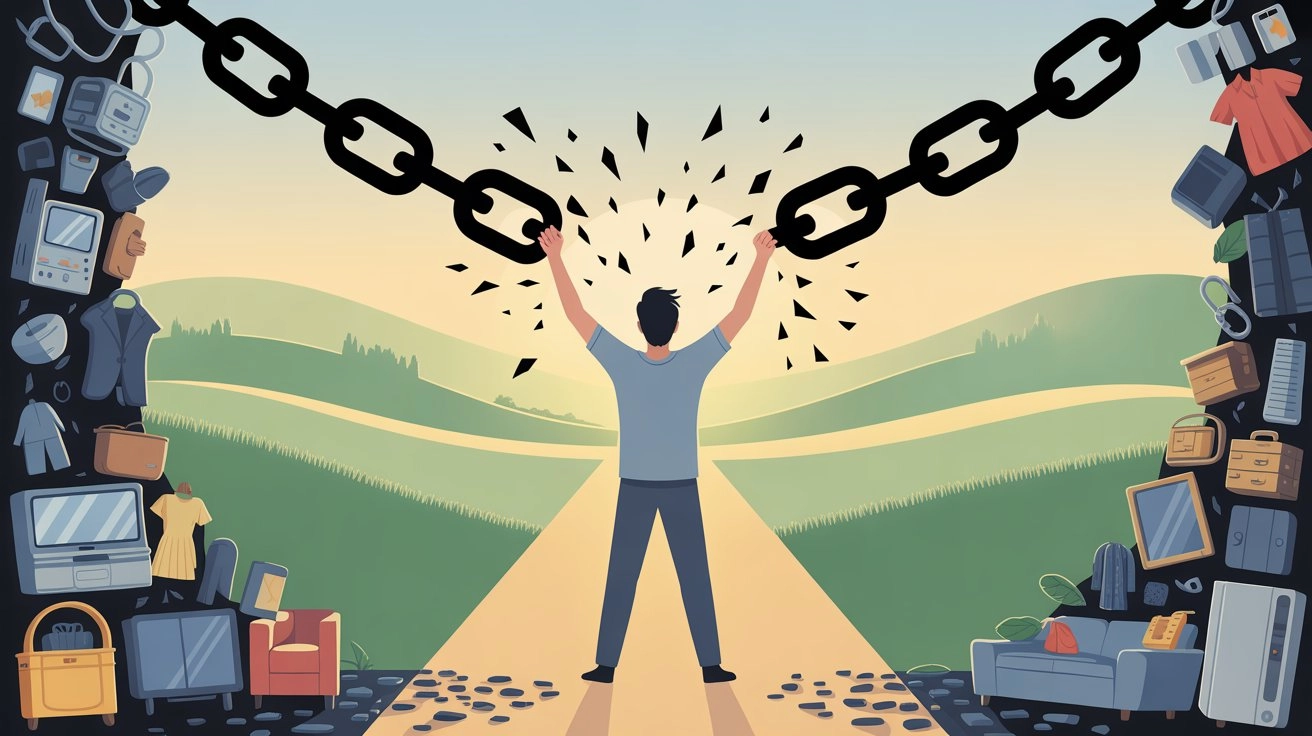
Minimalism isn’t a trend; it’s a mindset shift. It combats FOMO with intentionality, turning “I want” into “I have enough.” Celebrities like Matthew McConaughey swear by it, crediting simplicity for grounded joy.
For you in Rajpur Sonarpur, amid e-commerce hustle and cultural beats, minimalism fits perfectly. Fewer possessions mean more Bengali poetry sessions, sharper code, thriving channels.
Happiness isn’t in accumulation—it’s in appreciation. Own less. Live more. Start today, and watch joy multiply.